
As a game analyst, I spend my time deconstructing online slots to understand what makes them tick https://riseofolympus-100.com/. After reviewing player data provided across the UK for *Rise of Olympus 100*, I found a compelling story. This isn’t just another 100-payline slot with a Greek myth skin. The collective experience from forums, streams, and stats offers real lessons about handling volatility, unlocking features, and the psychology of your bankroll. Luck takes its part, but the game has a logic. Understanding it matters as much as hoping Zeus is on your side. What follows is a breakdown of what players have collectively learned.
Understanding the Core 100-Payline System
Shifting from the original game to this 100-payline version changed more than just the number on screen. Data from UK players shows a real difference in how often wins land and what they look like. With 100 fixed lines, you encounter winning combinations more regularly. These wins lean to be smaller, which creates a steadier pace between the game’s explosive bonus features. Players accustomed to long dry spells on high-variance slots often report this keeps them more engaged. Those regular, smaller payouts offer a sense of momentum. The conclusion is clear: a high payline count can soften the impact of volatility. It transforms a brutal climb into a more organized one, where the next big feature always seems within reach.
Understanding the Hand of God Feature Mechanics
The Hand of God mechanic, where a random god steps in to change the reels, is fundamental to the game. Looking at shared gameplay, its trigger isn’t completely random in its *effect*. While it can occur on any non-winning spin, which god shows up—Poseidon, Hades, or Zeus—seems to adhere to a kind of rhythm. Early in a session, Poseidon’s symbol conversions pop up more often, laying the foundation. As the charge meter builds up, you’ll see more of Hades clearing symbols or Zeus placing wilds. This is a tendency, not a rule. The takeaway here is about patience. The feature functions as a nudge, advancing the game state along. It’s not a jackpot in itself.
Strategies for the Wrath of Olympus Multiplier
This is where strategy turns serious. The Wrath of Olympus multiplier increases with each successive win in the base game. Players who shared their biggest wins often used a similar method. They understood that forcing the multiplier to its peak would drain cash. The more intelligent play has two parts. First, use smaller cascade chains to raise the multiplier to a reasonable level. Second, know when to pursue more. If the grid is filled with matching god symbols, that’s your indicator to go after longer chains more aggressively. Your bet size requires discipline. https://www.politico.eu/article/at-odds-over-regulation-of-gambling-toine-manders-mep-alde/ Consider the multiplier as a instrument, not a prize. Its job is to boost a cascade that’s already taking place naturally.
- Phase 1 – Construction:
- Phase 2 – Exploiting:
- Key Principle:
Understanding the Free Spin and Coin Gathering
The Bonus Round is the key attraction, activated by loading the energy meter with cascades. Players noticed a smart detail: your charge level persists between rounds if you fail to activate the mode. This design encourages brief, regular rounds over endless grinding. Inside the Free Round, the coin collection has its unique rules. The token amounts aren’t scattered at random. Bigger coins often cluster in clusters or lie by the margins of a new layout. Performance here hinges on a quick scan. Players who stop for a moment to examine the entire board before tapping often accumulate higher totals. It shifts the mindset from idle clicking to engaged, tactical gameplay. This echoes the strategic depth the entire title is founded upon.
- Charge Management:
- Grid Analysis:
- God Choice:
Bankroll Management for High-Volatility Play
If there’s one suggestion every veteran UK player stresses, it’s this: handle your bankroll. The data backs it up entirely. *Rise of Olympus 100* is a volatile slot. Its advertised Return to Player (RTP) unfolds over a extended time, through bonuses that are scarce but substantial. Analyzing sessions where players ran out fast to those who endured and triggered the Free Round shows the gap wasn’t luck alone. It was bet size. To experience this game as meant, you require a bankroll that can endure 200 to 300 spins without a significant feature hit. That means betting much tinier units than you could on a lower-volatility game. The lesson is pure math. You must have sufficient funds to reach the game’s high peaks.
The Emotional Influence of Visual and Audio Design
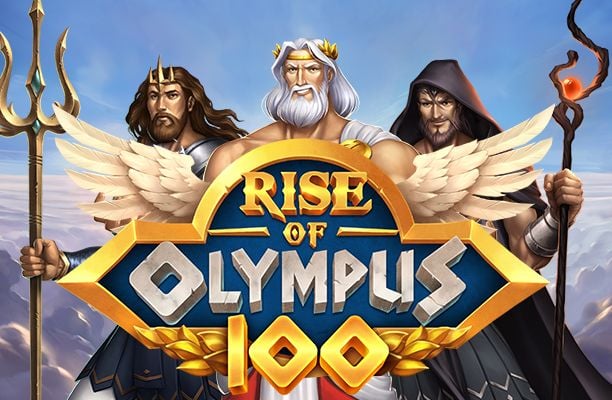
The game’s appearance does more than establish the atmosphere. Gamers indicate that the epic soundtrack, the gods’ powerful voices, and the dazzling animations for wins directly shape how they experience things. In my own gameplay reviews, I noticed it as well. A run of small losses feels less harsh when each one concludes with the small spectacle of a cascade. On the flip side, the rising music and bright meter can boost your adrenaline, tempting you to bet more than you planned. The learning point is about self-knowledge. Enjoy the show, but don’t let it decide for you. Your bet size and stop-loss limits should originate from your plan, not the orchestral crescendo.
Long-Term Play vs. Per-Session Targets
The overall lesson from UK players is this: approach *Rise of Olympus 100* like a extended endeavor, not a collection of individual rounds. The design rewards consistency, with its stored progress bar and volatile returns. Setting small goals for each session aids. Try to trigger the Hand of God feature twice, or increase the Wrath multiplier to 5x. This creates a system for success that doesn’t depend on landing a jackpot. It shifts the question from «Did I win big?» to «Did I play my strategy well?» Players who embrace this view often to appreciate the game more and keep their bankrolls in better shape. They derive satisfaction in mastering the game’s layers. The massive wins become a wonderful bonus on top of a skillfully played game, not the only reason to play.